If you've lived in the Pacific Northwest for any length of time, you know that our winters bring plenty of rain, chilly temperatures, and the occasional surprise snowstorm. While we love the cozy season, all that moisture can take a toll on our homes if we're not prepared.
Before the rainy season really settles in, a little preventative maintenance can go a long way toward protecting your home, avoiding costly repairs, and keeping everything running smoothly through the colder months.
Whether you're a longtime homeowner or settling into your first home, here's your go-to winter maintenance checklist for the Pacific Northwest.
1. Clear Those Gutters & Downspouts
With fall leaves dropping and rain picking up, clogged gutters are one of the biggest culprits behind winter water damage.
Take time to remove leaves, pine needles, and debris from your gutters and make sure downspouts are directing water away from your home's foundation. Overflowing gutters can lead to roof damage, siding issues, and unwanted moisture around your foundation.
Local Tip: If your home is surrounded by our beautiful Oregon evergreens, check your gutters more than once throughout the season. Pine needles have a way of showing up everywhere!
2. Give Your Roof a Once-Over
Your roof is your home's first line of defense against the elements, especially during our long, wet winters.
Look for missing or damaged shingles, loose flashing, and moss buildup. Moss is particularly common throughout the Portland metro area and can contribute to roofing problems when left unchecked.
If you notice anything concerning, schedule a professional inspection before winter weather makes repairs more difficult. Avoid climbing onto a wet or moss-covered roof yourself.
3. Check Your Home's Drainage
In the Pacific Northwest, managing water around your home is just as important as keeping it out of your home.
Walk around your property during a rainstorm and pay attention to where water collects. Make sure drainage systems are clear, soil slopes away from your foundation, and water isn't pooling near your home.
If you have a crawl space or basement, check for signs of excess moisture, musty smells, or standing water.
Catching drainage issues early can save you from much bigger headaches down the road.
4. Seal Windows, Doors & Drafty Spots
Those chilly winter drafts aren't just uncomfortable. They can also make your heating system work harder and increase your energy bills.
Inspect weatherstripping around exterior doors, check caulking around windows, and look for any visible gaps where cold air or moisture might sneak inside.
Replacing worn weatherstripping and sealing small openings are relatively inexpensive projects that can make a noticeable difference in your home's comfort.
5. Service Your Heating System
The last thing anyone wants is to discover their heating system isn't working properly on the coldest morning of the year.
Schedule a seasonal HVAC inspection, replace dirty air filters, and make sure vents and registers aren't blocked by furniture.
If your home has a heat pump, keep the outdoor unit clear of leaves, debris, and vegetation so it can operate efficiently.
And if you have a fireplace or wood stove, have the chimney and venting system inspected and cleaned as needed before putting them to regular use.
6. Protect Outdoor Faucets & Plumbing
While our winters are generally mild compared to other parts of the country, freezing temperatures can still sneak up on us.
Disconnect garden hoses, drain and store them, and winterize outdoor faucets according to their design. If your home has exposed pipes in unheated areas, consider adding insulation to help prevent freezing.
It's also a good idea to locate your main water shutoff valve before an emergency happens.
A little preparation now can help prevent an expensive plumbing surprise later.
7. Trim Trees & Prepare Your Yard
Between heavy rain, saturated soil, and winter windstorms, our beautiful Pacific Northwest trees can become a concern when branches are hanging too close to the house.
Check for dead, damaged, or overhanging limbs, particularly near your roof, driveway, and power lines. Hire a qualified professional for hazardous tree work.
While you're outside, clear leaves from walkways, patios, and drains to help prevent slippery surfaces and standing water.
Don't forget to put away or secure lightweight outdoor furniture, umbrellas, and seasonal decor before the next windstorm rolls through.
8. Keep Moisture & Mold in Check
One of the biggest challenges of living in the Pacific Northwest is managing indoor moisture.
As temperatures drop and windows stay closed, condensation can build up around windows, bathrooms, and other poorly ventilated spaces.
Use bathroom exhaust fans during and after showers, run your kitchen vent when cooking, and keep an eye on areas prone to condensation.
A hygrometer can help you monitor indoor humidity, while a dehumidifier may be useful in particularly damp spaces.
If you notice persistent moisture or mold, address the underlying source rather than simply covering it up.
9. Test Your Safety Devices
Winter means more time indoors, more heating equipment in use, and an increased need to make sure your home's safety devices are functioning properly.
Test smoke alarms and carbon monoxide detectors, replace batteries when needed, and check expiration dates.
It's also a great time to review your family's emergency plan and make sure you have flashlights, extra batteries, drinking water, and other basic supplies on hand in case a winter storm causes a power outage.
10. Don't Forget the Little Things
Sometimes it's the smaller maintenance tasks that make the biggest difference in keeping your home comfortable throughout the season.
Before winter settles in, consider these final to-dos:
- Reverse ceiling fans to help circulate warm air.
- Clean dryer vents to reduce fire hazards.
- Check exterior lighting as daylight hours get shorter.
- Inspect garage door seals for drafts and moisture.
- Store outdoor cushions and seasonal furniture.
- Check crawl space vents and moisture barriers.
- Make sure storm drains near your property are clear of leaves and debris.
A Little Preparation Goes a Long Way
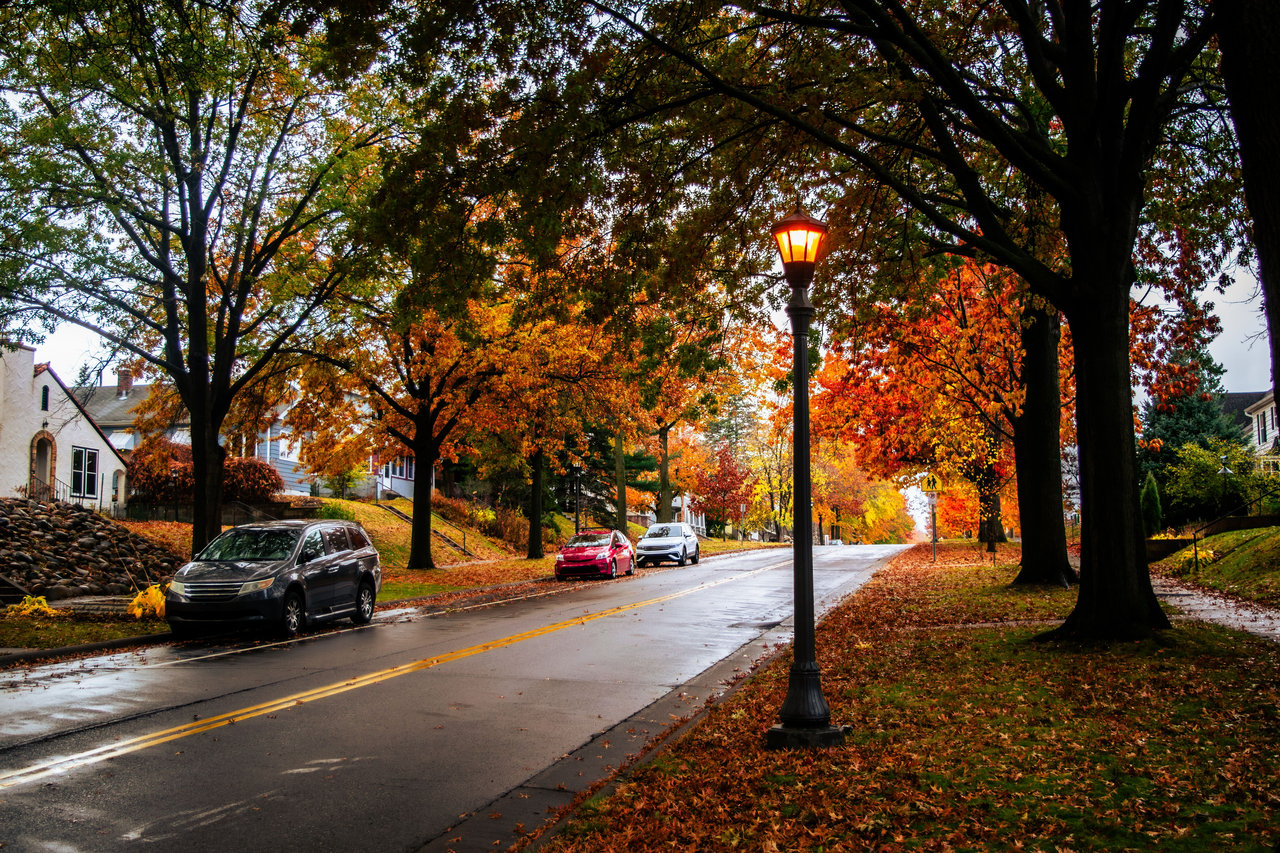
Owning a home in the Pacific Northwest comes with plenty of perks, from lush green landscapes to beautiful tree-lined neighborhoods. But our wet winters also mean staying ahead of maintenance is especially important.
The good news? Most of these tasks are simple, manageable, and far less expensive than dealing with preventable water damage or unexpected repairs.
Whether you're preparing your home for another Oregon winter, thinking about selling in the coming months, or simply wanting to protect your investment, a little attention now can make all the difference later.
And as always, if you're looking for trusted local contractors, home maintenance resources, or real estate advice, our team at Hustle & Heart Homes is always happy to help. Because taking care of your home is just as important as finding the right one.